Anbernic has long been a household name for enthusiasts of portable retro gaming. Their devices are often lauded for their robust build quality, attractive designs, and competitive pricing, making them a go-to choice for many looking to relive nostalgic gaming moments on the go. However, if there was one consistent critique that often shadowed their impressive hardware, it was the software experience. For years, discussions surrounding Anbernic’s Android-based handhelds frequently revolved around what many perceived as an overabundance of pre-installed, often unnecessary software, and a lamentable lack of consistent, meaningful updates. It felt as though once a device shipped, the software was largely left to fend for itself, leaving the community to often turn to custom firmware solutions to truly unlock the hardware’s potential.
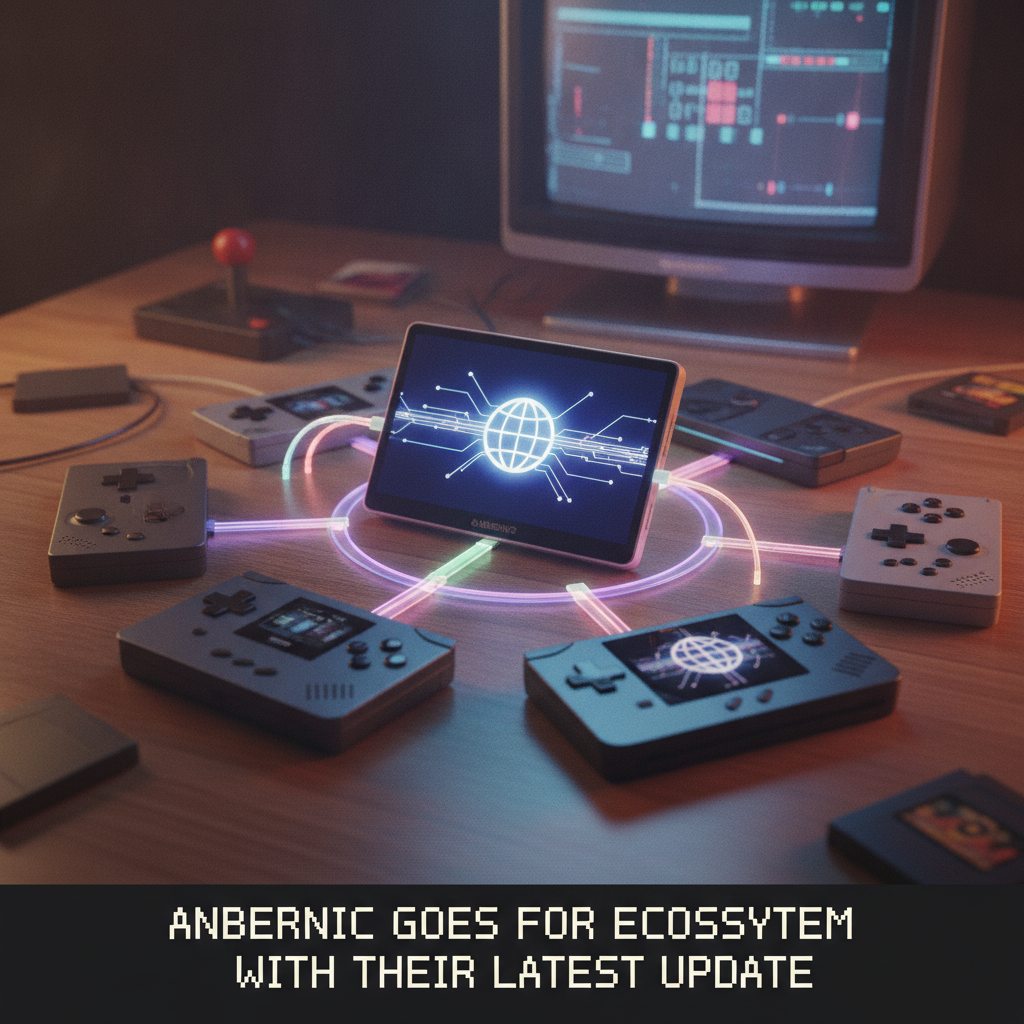
But something significant is stirring within the Anbernic camp. A recent, comprehensive software update has not only addressed some long-standing issues but has also signaled a profound strategic pivot: Anbernic is actively pursuing the creation of a cohesive “ecosystem” around its devices. This isn’t just about bug fixes; it’s about a fundamental rethinking of their software philosophy, aiming for a unified, streamlined, and consistently evolving user experience.
What exactly does this “ecosystem” ambition entail? For a company traditionally focused on iterative hardware releases, this move suggests a deeper integration between their various handhelds and perhaps even future services. We could be looking at a future where Anbernic devices share a more consistent UI, receive regular over-the-air updates that introduce new features rather than just patching old ones, and potentially even offer cross-device functionalities. Imagine a more integrated app store experience, easier configuration across different models, or even a proprietary launcher that ties everything together seamlessly. While details are still unfolding, the very mention of an “ecosystem” implies a long-term commitment to software as a core differentiator, not just an afterthought.
This shift is a stark contrast to their previous approach. The days of users needing to immediately flash alternative firmware like ArkOS, GarlicOS, or other community-driven projects to get an optimal experience might gradually become a relic of the past. By taking ownership of the software experience, Anbernic is attempting to bridge the gap between their solid hardware foundation and a user experience that genuinely complements it. This could mean improved system performance, better game compatibility out of the box, and a more intuitive interface that doesn’t require extensive tinkering.
The implications for the retro handheld market are substantial. In an increasingly crowded space, where competitors like Miyoo Mini and various Linux-based handhelds offer compelling, often community-driven software experiences, Anbernic’s proactive move is a smart play. It signals a maturation, acknowledging that hardware prowess alone is no longer enough. Modern users expect a polished, maintained, and evolving software platform. If Anbernic can successfully execute this vision, it could significantly enhance user satisfaction and device longevity, turning casual buyers into loyal customers.
However, the path to a robust software ecosystem is fraught with challenges. It demands sustained investment in software development, a deep understanding of user needs, and the ability to rapidly iterate and respond to feedback. Anbernic will need to demonstrate consistent follow-through, proving that this isn’t just a one-off update but a new, enduring commitment. The community, historically reliant on third-party solutions, will be watching closely to see if Anbernic can truly deliver on this ambitious promise. Can they build a software experience that rivals the efficiency and user-friendliness of the best custom firmwares, while also offering the stability and official support that only a manufacturer can provide?
Ultimately, Anbernic’s latest software update and its declared intention to foster an “ecosystem” represents a significant turning point. It’s a bold declaration that they are no longer content to simply provide the chassis; they want to own the entire experience. If successful, this strategic pivot could redefine their position in the retro handheld market, offering a more refined, reliable, and enjoyable journey for retro gaming enthusiasts worldwide. This isn’t just an update; it’s a statement of intent, and it’s one that promises an exciting future for Anbernic device owners.