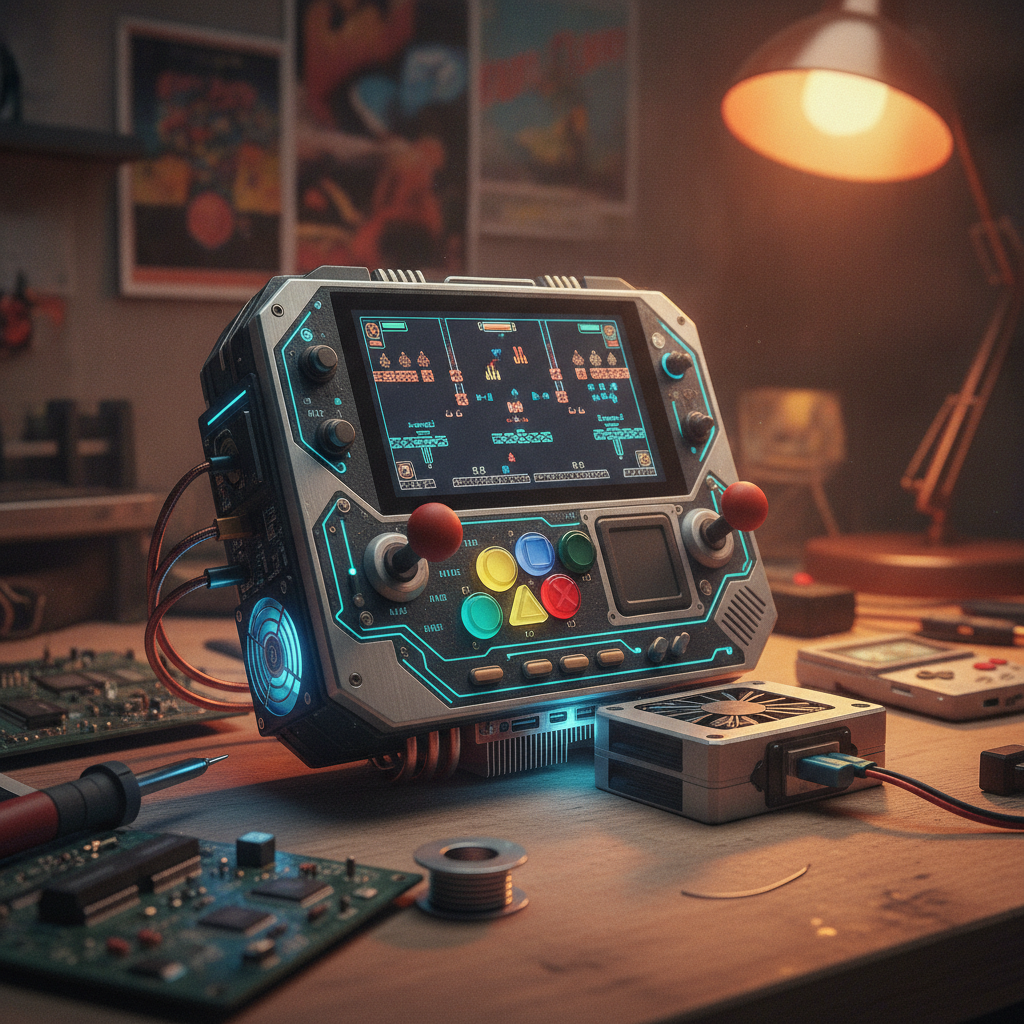
The landscape of gaming hardware is constantly shifting, often leaving a trail of powerful, yet seemingly obsolete, components in its wake. But what if one person’s digital detritus could be another’s gaming goldmine? This is precisely the narrative unfolding around the unexpected resurgence of AMD BC-250 mining boards, once relegated to the industrial scrap heap, now finding a new, glorious purpose as the heart of surprisingly potent and affordable DIY Steam Machines. For less than the cost of a new entry-level console, enthusiasts are discovering how to resurrect these discarded titans and transform them into dedicated gaming rigs, breathing fresh life into silicon that was destined for oblivion.
At its core, the AMD BC-250 isn’t just any old circuit board. These were originally designed as high-density enterprise crypto-mining blades, engineered to tirelessly crunch numbers in the pursuit of digital currency. When the crypto boom cooled, and the profitability of such operations dwindled, vast quantities of these boards became surplus. Facing an ignominious end in an electronics recycling facility, their true potential remained largely untapped. What makes them so special, you ask? Buried within these unassuming boards lies a slightly modified variant of the very same AMD silicon found powering the PlayStation 5. Yes, you read that correctly – console-grade horsepower, available for a song, if you know where to look and how to tinker.
The allure of building your own gaming machine, especially one with such a unique backstory and incredible price-to-performance ratio, is undeniable. This isn’t just about saving money; it’s about the satisfaction of crafting something powerful from components others have deemed worthless. It’s a testament to ingenuity and the enduring spirit of the DIY community. The challenge of sourcing these boards, understanding their quirks, and integrating them into a custom setup becomes part of the rewarding journey. Each successful boot, each game launched, feels like a small victory against planned obsolescence and a win for sustainable tech practices.
So, what kind of gaming experience can one expect from a $300 machine built around a former mining board? The answer, surprisingly, is quite impressive. Leveraging the RDNA 2 architecture, akin to that in current-generation consoles, these repurposed boards are more than capable of handling a wide array of modern and classic titles. While they might not push 4K at ultra settings on the very latest AAA releases, they excel at delivering solid 1080p performance, often surpassing expectations for their meager cost. Imagine playing your favorite indie games, delving into a vast library of retro classics through emulation, or even enjoying many contemporary titles at respectable frame rates – all on a machine you built yourself for a fraction of the price of a dedicated gaming PC or even a new console. It’s a sweet spot for budget-conscious gamers who refuse to compromise on performance.
A crucial component in unlocking the full potential of these DIY machines is the operating system. Many builders are turning to Bazzite OS, a Fedora Atomic-based operating system that offers a streamlined, Steam Deck-like experience right out of the box. Bazzite is designed with gaming in mind, providing excellent hardware compatibility, robust driver support, and easy integration with Steam’s Big Picture Mode. This choice of OS transforms a collection of repurposed components into a cohesive, user-friendly gaming console, complete with all the features and conveniences modern gamers expect. It truly feels like a bespoke Steam Machine, offering a console-like interface for your entire PC gaming library.
The economic argument for these DIY Steam Machines is compelling. In an era where high-performance gaming hardware can command exorbitant prices, the ability to assemble a capable machine for around $300 is a game-changer. This figure typically covers the cost of the BC-250 board, a compatible CPU (often a budget AMD Ryzen), RAM, a modest SSD, and a basic power supply and case. Compared to the hundreds, if not thousands, required for a new gaming PC or even the rising prices of current-gen consoles, the value proposition is clear. It democratizes access to powerful gaming, opening doors for enthusiasts who might otherwise be priced out of the market.
Of course, the path of the DIY builder is not without its challenges. Sourcing the specific components, ensuring compatibility, and performing the necessary assembly requires a certain level of technical aptitude and patience. These aren’t plug-and-play solutions. However, the burgeoning online communities dedicated to these projects offer a wealth of knowledge, guides, and support, transforming potential hurdles into solvable puzzles. The collaborative spirit among builders is a significant draw, fostering a sense of camaraderie and shared achievement.
In conclusion, the story of the AMD BC-250 mining boards evolving into $300 DIY Steam Machines is more than just a tech hack; it’s a powerful narrative about resourcefulness, sustainability, and the boundless innovation within the gaming community. It reminds us that “obsolete” often just means “waiting for a new purpose.” For those willing to roll up their sleeves and embrace the challenge, a high-performance, budget-friendly gaming experience awaits – born from the ashes of the crypto era and resurrected by the passion of dedicated gamers. It’s a testament to the idea that with a little ingenuity, you can truly turn crypto dust into gaming gold.