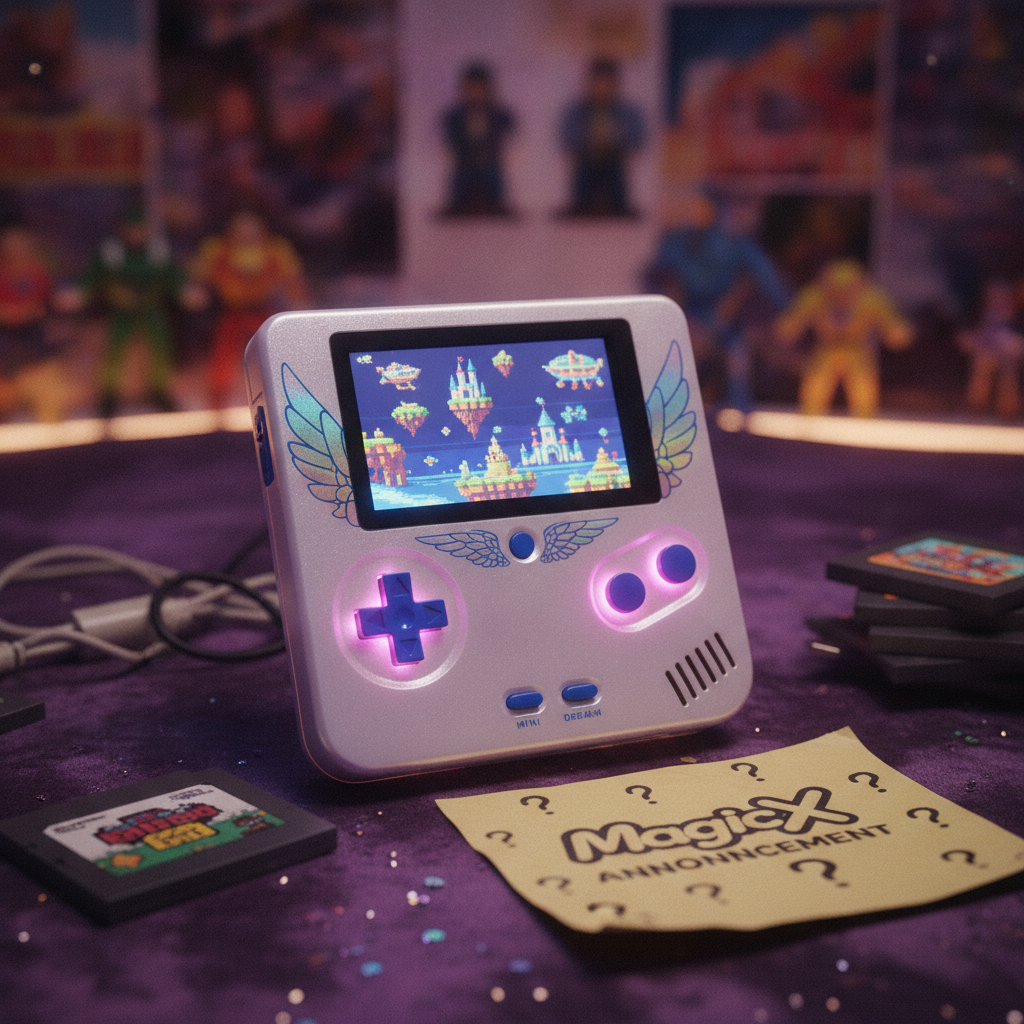
In an exciting development for portable gaming enthusiasts, MagicX has formally introduced its latest offering, the Mini Dream. This compact handheld device, boasting a 3.3-inch OLED display, is set to make waves with its dual operating system options—Linux and Android—and an astonishingly accessible price range of $80 to $180. The official unveiling has sparked considerable interest, as it positions the Mini Dream as a compelling choice for both budget-conscious gamers and those seeking a versatile on-the-go entertainment solution.
At the heart of the Mini Dream’s appeal is its vibrant 3.3-inch OLED screen. In an era where larger displays often dominate, MagicX’s decision to opt for a smaller, high-quality panel is a clear nod to portability without sacrificing visual fidelity. OLED technology ensures deep blacks, vivid colors, and excellent contrast, promising an immersive experience for retro titles and modern indie games alike. This size makes it truly pocketable, fitting easily into any bag or even a larger pocket, making it ideal for commutes, travel, or quick gaming sessions during a break.
One of the most intriguing aspects of the Mini Dream is its dual operating system approach. Users will have the choice between a Linux-based system, likely tailored for streamlined retro emulation, and a more robust Android version, opening up a world of mobile gaming, media consumption, and app versatility. This strategic dual-boot or variant option significantly broadens the device’s appeal. The Linux variant will likely attract purists and those who appreciate the efficiency and customization often associated with dedicated retro gaming firmware. On the other hand, the Android version transforms the Mini Dream into a miniature smart device, capable of running a vast library of games from the Google Play Store, streaming services, and other productivity apps, albeit on a smaller screen.
The pricing strategy is particularly aggressive, with models ranging from a mere $80 to $180. This wide spectrum suggests different configurations in terms of processing power, RAM, and storage, allowing consumers to choose a model that best fits their needs and budget. The entry-level $80 price point is especially disruptive, potentially making portable retro gaming accessible to an even broader audience who might be hesitant to invest in higher-priced alternatives. Even the top-tier $180 model remains highly competitive, especially considering the OLED screen and dual OS capabilities. This aggressive pricing could shake up the market, forcing other manufacturers to re-evaluate their offerings.
However, the announcement also raises a few pertinent questions that the community is eager to see addressed. Performance benchmarks for both the Linux and Android environments will be crucial. While the price is appealing, the actual gaming experience, especially with more demanding emulators or Android titles, will determine its long-term success. What chipsets are powering these devices across the price tiers? How optimized are the operating systems for the hardware? Furthermore, the quality of the D-pad and face buttons, critical for retro gaming, will be under scrutiny. Comfort, tactile feedback, and durability are paramount for handheld devices, and often these are areas where budget devices can fall short.
Community support and ongoing software development will also be key. For Linux-based retro handhelds, a vibrant community often contributes to custom firmware, game ports, and general improvements that extend the device’s lifespan and utility. For the Android version, timely updates and consistent performance are essential. MagicX’s commitment to these aspects will greatly influence the Mini Dream’s standing in the enthusiast market.
In conclusion, the MagicX Mini Dream enters a bustling portable gaming landscape with a clear mission: to offer a high-quality, versatile, and affordable gaming experience in an ultra-compact form factor. Its OLED screen, dual OS options, and competitive pricing strategy are strong selling points. While some questions regarding performance and long-term support remain, the Mini Dream has certainly captured attention and has the potential to become a significant player, truly living up to its name by offering a ‘dream’ device for many. The retro gaming community and mobile gamers alike will be watching closely to see if this compact contender can truly deliver on its big ambitions.