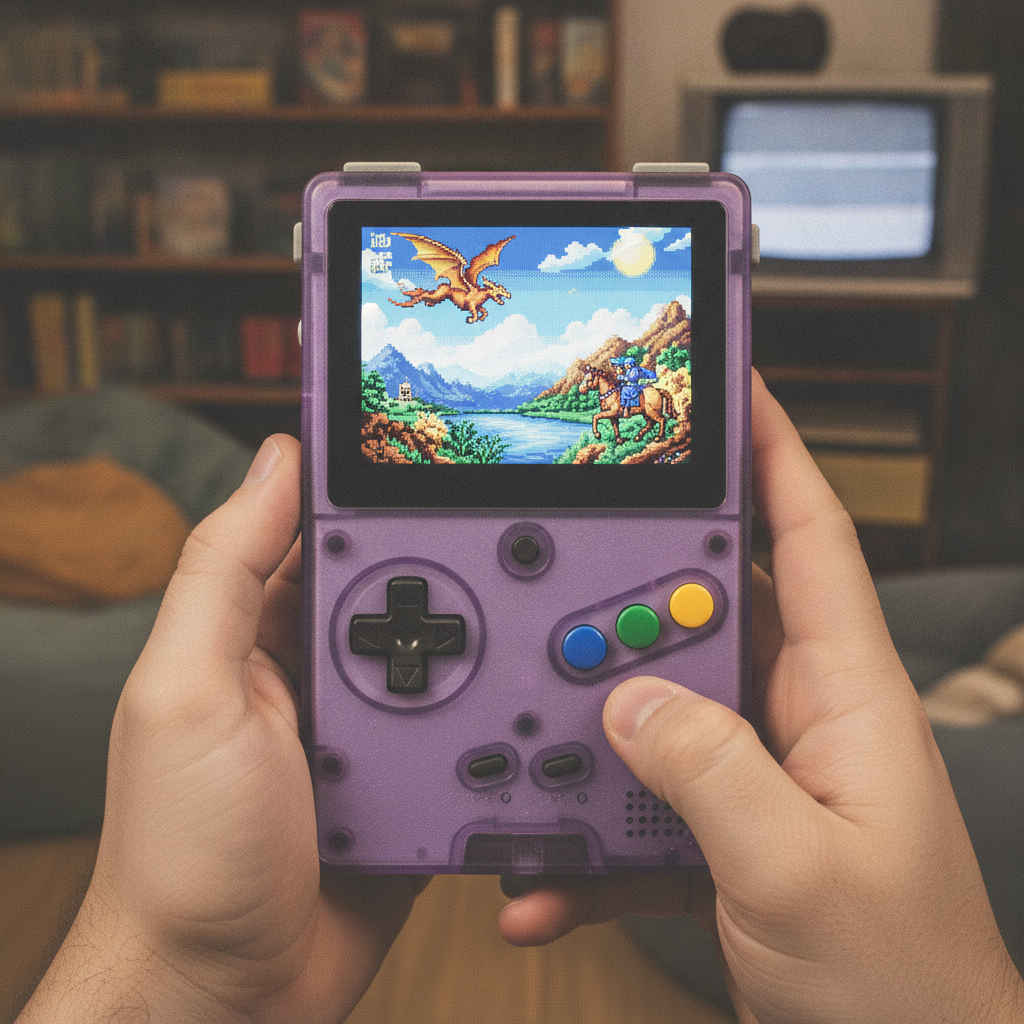
MagicX, a name increasingly synonymous with innovative portable gaming, has just pulled back the curtain on its latest endeavor: the Pocket Dream. This intriguing new device is a compact vertical handheld that appears to be building upon the foundations laid by its predecessor, the Mini Dream, particularly in its choice of a vibrant 3.3-inch OLED display and shared core hardware architecture. For enthusiasts of retro gaming and portable experiences, the mere mention of a new vertical handheld from MagicX is enough to pique considerable interest.
The vertical form factor itself is a design choice that often sparks debate among handheld aficionados. While horizontal designs offer a more traditional, console-like grip, vertical layouts have a distinct charm, often evoking memories of classic Game Boy systems and offering a unique ergonomic experience. The Pocket Dream’s commitment to this orientation suggests a thoughtful design philosophy aimed at delivering comfort and nostalgia in equal measure. This isn’t merely about aesthetics; a vertical design can often lead to a more pocketable device, truly living up to the “Pocket” moniker in its name. Its compact nature makes it an ideal companion for commutes, quick gaming sessions, or for those who simply prefer a device that doesn’t demand excessive pocket real estate.
Central to the appeal of the Pocket Dream is its 3.3-inch OLED screen. In an era where larger displays often dominate, MagicX’s decision to stick with a more modest, yet incredibly high-quality, OLED panel for the Pocket Dream is a strategic one. OLED technology is renowned for its deep blacks, vibrant colors, and impressive contrast ratios, promising an immersive visual experience despite the screen’s smaller physical dimensions. For retro games, which often rely on distinct pixel art and vibrant palettes, an OLED display can breathe new life into classic titles, rendering them with a clarity and richness that even surpasses how they looked on their original hardware. The 3.3-inch size is also an interesting sweet spot; it’s large enough to enjoy detailed visuals without feeling cramped, yet small enough to maintain the device’s overall portability. This balance is crucial for a handheld positioned as a “pocket” device.
While specific hardware details beyond the display are still emerging, the mention of “core hardware options” shared with the Mini Dream is a strong indicator of the Pocket Dream’s potential capabilities. The Mini Dream was a competent performer, handling a wide range of emulation with aplomb. If the Pocket Dream inherits similar processing power, gamers can expect to run everything from 8-bit classics to demanding 16-bit and even some early 3D console titles with smooth performance. This commitment to robust internal specifications, coupled with the premium OLED screen, suggests MagicX isn’t cutting corners on the user experience. The synergy between powerful internals and a high-fidelity display is what truly elevates a portable gaming device from a mere curiosity to an essential gadget for enthusiasts.
The announcement of the Pocket Dream also sparks broader conversations about the direction of the portable gaming market. In a world saturated with smartphones capable of gaming, dedicated handhelds need to offer something unique to stand out. MagicX appears to be leaning into niche appeal, catering to those who appreciate dedicated controls, specific form factors, and optimized software environments for gaming. The Pocket Dream isn’t trying to be a smartphone replacement; it’s designed to be a pure gaming machine, stripped down to provide the best possible portable gaming experience within its chosen form factor. This focus on core gaming functionality, free from the distractions of notifications and multitasking, is a significant draw for many players.
Furthermore, the concept of a “dream” device in its naming convention hints at MagicX’s aspiration to create something truly desirable for gamers. The Pocket Dream, with its blend of compact design, vertical orientation, and superior OLED display, certainly has the potential to become a dream machine for many. It embodies a philosophy that prioritizes portability, aesthetic appeal, and high-quality visual output in a single, cohesive package.
As more details about the Pocket Dream emerge, including its full specifications, pricing, and release date, the anticipation will undoubtedly grow. However, based on this initial reveal, MagicX has once again demonstrated its understanding of the handheld gaming community’s desires. The Pocket Dream stands as a testament to the enduring appeal of dedicated portable gaming devices, proving that innovation and thoughtful design can still carve out a significant space in an increasingly competitive market. It will be exciting to see how this compact vertical powerhouse performs in the hands of gamers and whether it truly lives up to its “Dream” moniker. Its success will not only be a win for MagicX but also for the entire ecosystem of dedicated retro and indie handhelds, showcasing that specialized devices continue to hold a special place in the hearts of gamers worldwide.