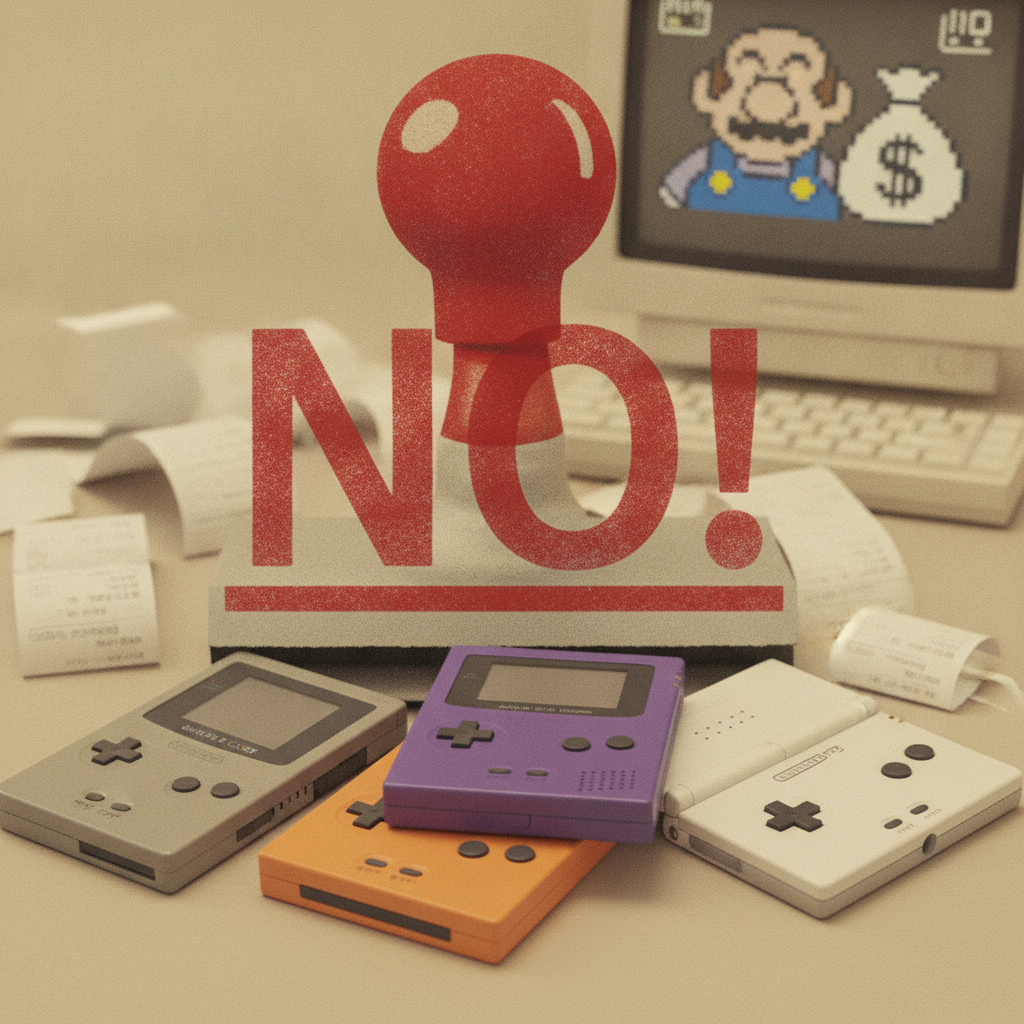
In a move that has sent ripples through the consumer electronics and gaming communities, Nintendo has firmly stated its position against refunding consumers who bore the brunt of increased product prices due to recent import tariffs. The company’s surprising declaration suggests that purchasers “got exactly what they bargained for and paid for,” a statement that has ignited significant debate and fueled an ongoing class-action lawsuit. This situation raises critical questions about corporate accountability, consumer expectations, and the complexities of international trade policies impacting everyday purchases.
The Tariff Landscape and Consumer Impact
Over the past few years, various governments have implemented tariffs on imported goods, particularly from certain manufacturing hubs. These tariffs, essentially taxes on imported products, are often passed down the supply chain, inevitably reaching the end consumer in the form of higher retail prices. For many consumers, the price hike on beloved electronics, including gaming consoles and accessories, was an unwelcome but often unavoidable reality. They purchased products knowing, or at least suspecting, that the price reflected these additional levies.
The expectation, however, for some, was that if these tariffs were later rescinded or if legal challenges deemed them improperly applied, there might be recourse for the overpaid amounts. This is precisely where Nintendo’s recent statement has drawn a sharp line in the sand, distinguishing its approach from what some consumers might have hoped for or experienced with other industries facing similar scenarios.
Nintendo’s Unyielding Response
Nintendo’s specific phrasing – “Exactly what they bargained for and paid for” – has been interpreted by many as a clear dismissal of any perceived consumer entitlement to a refund. From the company’s perspective, the price at the point of sale incorporated all applicable costs, including tariffs, and consumers willingly agreed to that price. This stance implies that the transaction was complete and fair based on the conditions at the time of purchase, regardless of subsequent changes in trade policy or legal interpretations.
While legally sound in a transactional sense, this position has sparked considerable ethical discussion. Is it fair for a corporation to benefit from or pass on increased costs due to government policy without any potential for redress if those policies are later challenged? Consumer advocates argue that while the immediate transaction might be legally robust, the spirit of consumer protection often extends to situations where consumers are inadvertently overcharged due to external factors that are later reversed or deemed unlawful.
The Class-Action Lawsuit: Seeking Redress
Unsurprisingly, Nintendo’s firm stance has not gone unchallenged. A class-action lawsuit is currently underway, representing a collective of consumers who believe they are owed compensation for the tariff-inflated prices. The lawsuit likely hinges on arguments that the tariffs were either improperly applied, created an unfair market condition, or that Nintendo failed in some capacity to mitigate the impact on consumers or provide appropriate disclosures.
Such lawsuits are complex, often navigating intricate international trade laws, consumer protection statutes, and the specifics of each company’s pricing strategies. The plaintiffs will need to prove not only that the tariffs led to identifiable overpayments but also that Nintendo has a legal obligation to refund those amounts. Nintendo, in turn, will likely defend its position by emphasizing the contractual nature of sales and the legal obligations of importers to adhere to prevailing tariff structures. The outcome of this legal battle could set a significant precedent for how companies in the consumer electronics sector handle similar situations in the future.
Broader Implications for Consumer Trust and Corporate Responsibility
This controversy extends beyond just Nintendo; it touches upon the broader landscape of corporate responsibility in a globalized economy. As companies operate across borders, they are increasingly susceptible to geopolitical and economic shifts, including tariffs. How they choose to manage these impacts – whether by absorbing costs, passing them to consumers, or offering post-facto adjustments – significantly influences their public image and consumer trust.
For brands like Nintendo, which cultivate a loyal and passionate fanbase, maintaining consumer goodwill is paramount. While a tough stance on refunds might protect short-term financial interests, it risks alienating a segment of its customer base. This situation serves as a potent reminder that in the digital age, where information travels instantly, corporate decisions are scrutinized more than ever, and their impact on consumer relations can be long-lasting.
As the class-action lawsuit progresses and public debate continues, all eyes will be on Nintendo to see if its unyielding position softens or if the legal system ultimately compels a different outcome. Regardless of the final verdict, this episode will undoubtedly be a case study in the ongoing tension between corporate profitability, legal obligations, and the evolving expectations of consumer fairness in a complex global marketplace.