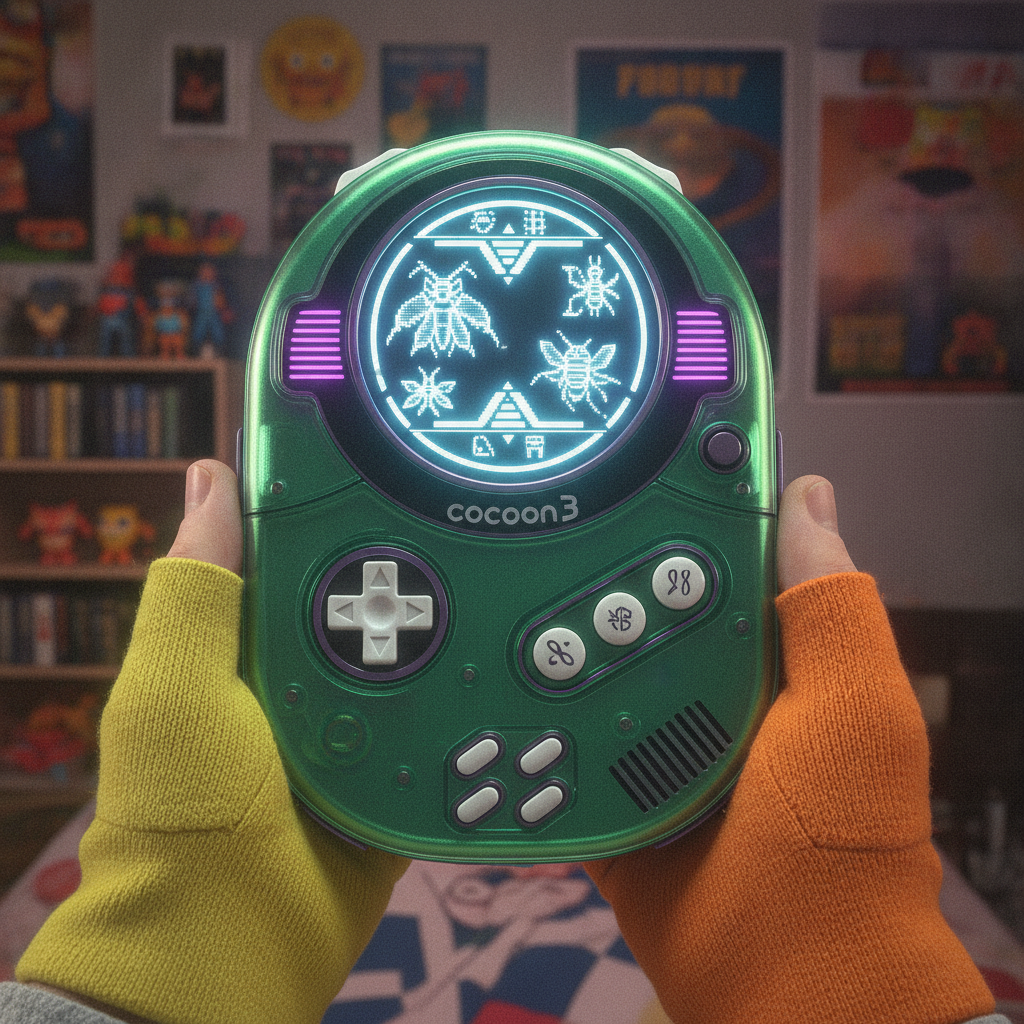
For years, the world of retro gaming emulation was a wild frontier. Enthusiasts pieced together ROMs, emulators, and clunky file browsers, often sacrificing aesthetics for functionality. But in recent times, a profound shift has occurred. We’re witnessing an explosion of sophisticated frontends that are not just organizing our vast digital libraries but are actively enhancing the entire retro experience, transforming mere functionality into an art form. This isn’t just about launching games anymore; it’s about curating a digital museum, a personalized shrine to gaming’s golden eras.
The allure of these new interfaces lies in their ability to blend modern design principles with a deep reverence for the past. Gone are the days of sterile menus and overwhelming lists. Today’s premier frontends evoke a sense of physical media, conjuring the magic of browsing game store shelves or flipping through a meticulously organized collection of cartridges and discs. This isn’t mere mimicry; it’s a sophisticated psychological play, tapping into our innate desire for tangible ownership and the tactile joy of discovery, even in a purely digital realm. Projects like Beacon and Console Launcher, alongside a host of emerging contenders, are at the forefront of this revolution, pushing the boundaries of what a digital game library can and should be.
What makes these frontends so compelling? Firstly, it’s the visual fidelity. High-resolution cover art, animated backgrounds, dynamic themes, and intuitive navigation systems create an immersive environment that was once unthinkable. Imagine booting up your handheld, not to a bland operating system, but to a breathtaking visual symphony of your favorite console’s era, complete with custom icons, subtle sound effects, and smooth transitions that make traversing your collection a joy in itself. This meticulous attention to detail transforms the utilitarian act of selecting a game into a nostalgic journey.
Secondly, functionality has evolved far beyond basic game launching. Modern frontends offer deep customization options, allowing users to tailor every aspect of their experience, from button mapping to emulator settings, all within a unified and elegant interface. Advanced filtering, genre categorization, custom playlists, and even integrated scraper tools that automatically fetch metadata and artwork from online databases mean that organizing a collection of thousands of games is no longer a daunting chore but an engaging endeavor. This level of control empowers enthusiasts to truly make their retro gaming setup their own, reflecting their personal tastes and priorities.
But perhaps the most significant aspect of this evolution is the re-establishment of a sense of “ownership” in the digital age. In an era dominated by subscription services and ephemeral digital licenses, the carefully curated library within a well-designed frontend feels like a tangible asset. Each game, complete with its artwork, description, and custom settings, contributes to a collection that feels genuinely yours, built with passion and personal investment. It’s a stark contrast to the often impersonal experience of simply streaming games from a cloud. This sense of curation fosters a deeper connection to the games themselves and the history they represent.
The impact on the retro gaming community is profound. These sophisticated frontends are lowering the barrier to entry for newcomers, making the often-complex world of emulation more accessible and enjoyable. They are also revitalizing the experience for seasoned veterans, offering new ways to appreciate their cherished libraries. The ongoing development in this space promises even more innovative features, perhaps integrating social elements, advanced achievement tracking, or even AI-driven recommendations based on play history.
In conclusion, the current wave of modern retro frontends is far more than just a superficial facelift for our digital game collections. They are a testament to the community’s ingenuity and a profound re-imagining of how we interact with gaming history. By seamlessly blending stunning aesthetics with robust functionality and a deep sense of digital curation, these evolving canvases are not just preserving the past; they are actively enriching it, ensuring that the magic of retro gaming continues to captivate and inspire new generations. They remind us that even in a digital world, the experience of “owning” and cherishing our entertainment can be as rich and rewarding as it ever was with physical media. This is an exciting time for retro enthusiasts, as the very interface to our nostalgia is becoming a work of art in itself.