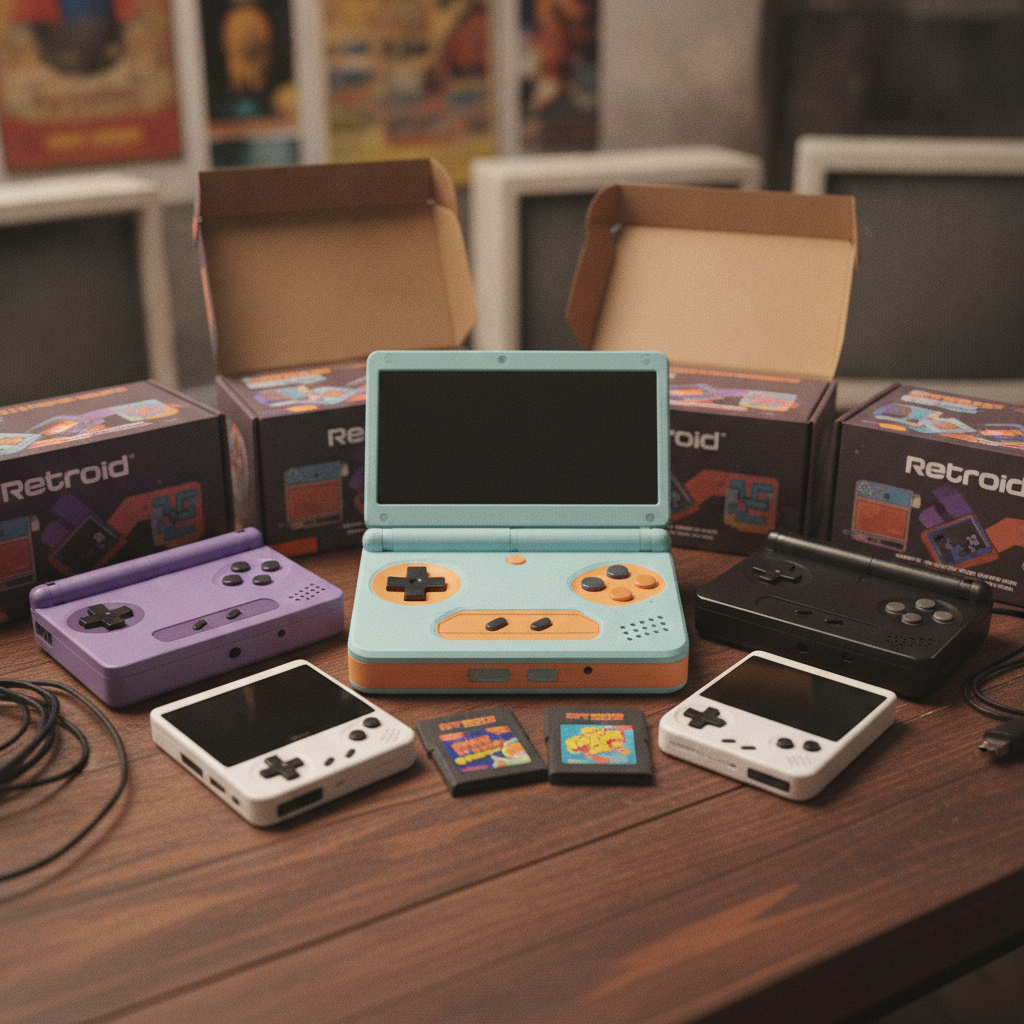
The retro handheld market is a fascinating, fast-paced arena, constantly pushing the boundaries of what portable emulation can achieve. Among the prominent players, Retroid has carved out a significant niche, known for its consistent output of devices that often hit a sweet spot between performance, price, and design. However, this relentless pursuit of innovation, while exciting, often comes with its own set of challenges, particularly for early adopters navigating a seemingly endless stream of incremental updates and new models.
Recently, the discourse within the enthusiast community has intensified around a particular device and its immediate follow-ups. While not naming specific models to focus on the broader trend, it has become apparent that the rapid-fire release strategy can sometimes lead to a peculiar dilemma. Customers who eagerly invest in a newly launched product might find themselves facing a “Plus” or “Lite” version with minor, yet significant, improvements just weeks or months later. This can create a sense of buyer’s remorse, or worse, a feeling that one has invested in a product that is almost immediately superseded.
This phenomenon isn’t unique to the retro handheld space, but it feels particularly pronounced here given the relatively niche market and the passion of its consumer base. For manufacturers, the drive to refine, correct, and upgrade is understandable. Feedback from initial batches can highlight areas for improvement, and advances in component availability can open doors for better performance or battery life at similar price points. The ambition to always offer the best possible experience is commendable.
However, the speed at which these iterations arrive can be a double-edged sword. On one hand, it demonstrates a company’s commitment to continuous improvement and responsiveness to consumer needs. On the other, it can inadvertently cultivate a climate of hesitation among potential buyers, who might choose to “wait for the next version” rather than commit to a current offering, fearing immediate obsolescence. This impacts sales cycles and can even dilute the excitement around any single launch.
In a recent development that has captured the attention of the community, it appears a prominent manufacturer, which many believe to be Retroid, has taken significant steps to address concerns arising from the launch of one of its more recent devices. Reports indicate that customer service has been proactively reaching out to those who purchased the initial release, offering a series of options to mitigate dissatisfaction. These options reportedly range from potential upgrades to revised models or alternative solutions, demonstrating a genuine effort to listen and respond to the customer base.
This move, if broadly implemented and executed well, represents a crucial moment for the company. It signals a recognition that while innovation is key, customer trust and loyalty are paramount. Rectifying post-launch issues and acknowledging community feedback can transform potential dissatisfaction into renewed faith in the brand. It shows a willingness to go beyond the initial sale and engage in a dialogue with its most passionate users.
The broader implications for the retro handheld industry are also worth considering. As the market matures and competition heats up, companies might need to find a more sustainable rhythm for their product cycles. Balancing the urge to innovate with the need to ensure product longevity and customer satisfaction will be a key differentiator. Perhaps clearer roadmaps, more distinct product tiers, or even post-purchase upgrade programs could become more common practices.
Ultimately, the goal for both manufacturers and consumers is a healthy ecosystem where technological advancement enhances the gaming experience without fostering anxiety or buyer’s regret. Retroid’s recent actions, interpreted through this lens, could set a precedent for how companies navigate the rapid currents of innovation while keeping their dedicated community firmly in tow. It’s a testament to the power of community feedback and the potential for brands to adapt and evolve not just their products, but their entire approach to customer engagement.
This ongoing saga highlights the intricate dance between progress and patronage. As enthusiasts, we crave the latest and greatest, but we also value the assurance that our investments are respected. The companies that can master this delicate balance will be the ones that not only survive but thrive in the perpetually evolving world of portable retro gaming.