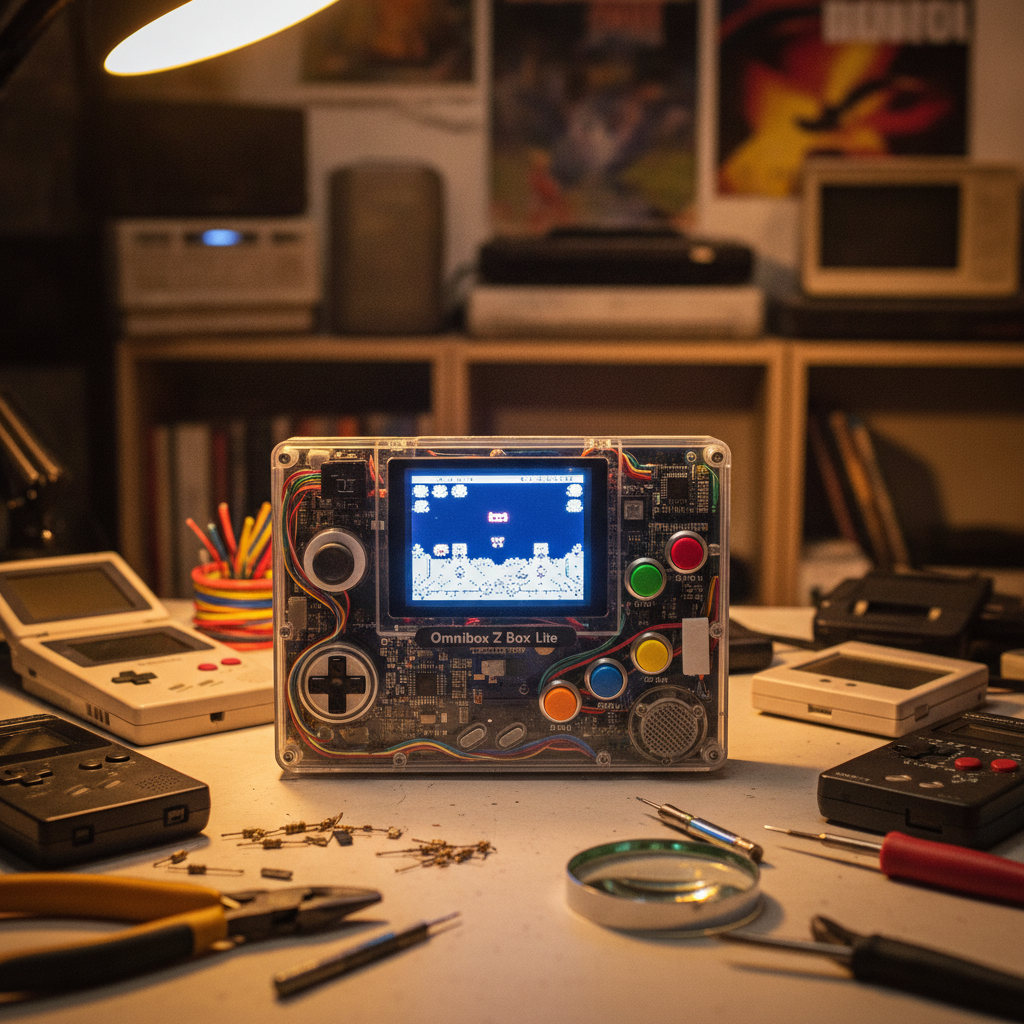
In an era dominated by sleek, powerful consoles and high-end PCs, a quieter revolution has been unfolding in the realm of compact computing. We’re witnessing the rise of the “micro-console” — devices that elegantly bridge the gap between media streamers, mini-PCs, and dedicated gaming systems. These aren’t just glorified TV boxes; they’re versatile powerhouses designed for a specific kind of user: the tinkerer, the enthusiast, the individual who yearns for control over their digital entertainment ecosystem.
At the heart of this movement is a compelling proposition: the “phone as a console” experience, but taken to its logical extreme. Imagine a device no bigger than a small book, yet capable of delivering smooth emulation of classic gaming systems, streaming modern titles with surprising fidelity, and even handling a respectable amount of PC-style gaming. This isn’t achieved by brute force processing alone, but through clever optimization, efficient architecture, and a design philosophy that prioritizes flexibility. These micro-consoles often leverage highly integrated chipsets, originally designed for mobile devices, which offer excellent performance per watt, making them ideal for always-on, low-power scenarios. The appeal lies in their ability to transform a humble television or monitor into a dynamic entertainment hub, capable of much more than passive consumption.
For the uninitiated, the term “tinkerer’s paradise” might sound daunting, but for those who relish diving into system settings, exploring custom firmwares, and optimizing performance, these devices are a dream come true. Unlike closed-off commercial consoles, micro-consoles often boast a remarkable degree of openness. Users can experiment with various operating systems, from optimized Linux distributions tailored for retro gaming to more general-purpose environments that unlock productivity features. The hardware itself frequently offers opportunities for expansion, whether it’s adding external storage, upgrading Wi-Fi modules, or even integrating unique peripherals. This level of customization allows users to craft an entertainment setup that perfectly aligns with their specific needs and preferences, rather than being confined by manufacturer-imposed limitations. The satisfaction of building, configuring, and fine-tuning one’s own system is a core part of the experience, offering a sense of ownership and accomplishment rarely found in off-the-shelf solutions.
Beyond gaming, the utility of these compact machines extends considerably. They excel as dedicated media centers, effortlessly streaming 4K content from various services or local storage. With the right software, they can become robust home automation hubs, silently managing smart devices throughout your living space. Some users even repurpose them as minimalist desktop PCs for light productivity tasks, web browsing, and email, leveraging their low power consumption and small footprint. This multi-faceted capability adds significant value, making them more than just a single-purpose gadget but a truly integrated component of a modern smart home.
However, this freedom comes with its own set of considerations. The “tinkerer’s paradise” can, at times, become a “tinkerer’s challenge.” The learning curve might be steeper for those accustomed to plug-and-play simplicity. Community support often plays a crucial role in troubleshooting and discovering new functionalities, requiring a willingness to engage with online forums and guides. Furthermore, while the cost of entry might seem appealing, the true value lies in how much time and effort one is willing to invest in optimizing the experience. It’s a balance between raw power, affordability, and the user’s dedication to unlocking its full potential.
Ultimately, the micro-console segment represents an exciting frontier for home entertainment. It caters to a demographic that values flexibility, performance, and the joy of hands-on customization. While they may not replace traditional gaming consoles or high-end PCs for every user, for the enthusiast seeking a versatile, powerful, and deeply personal entertainment hub, these compact powerhouses are proving to be an invaluable addition to the digital landscape. They are not just devices; they are canvases for digital creativity, offering a glimpse into a future where entertainment is as much about personalization as it is about performance.