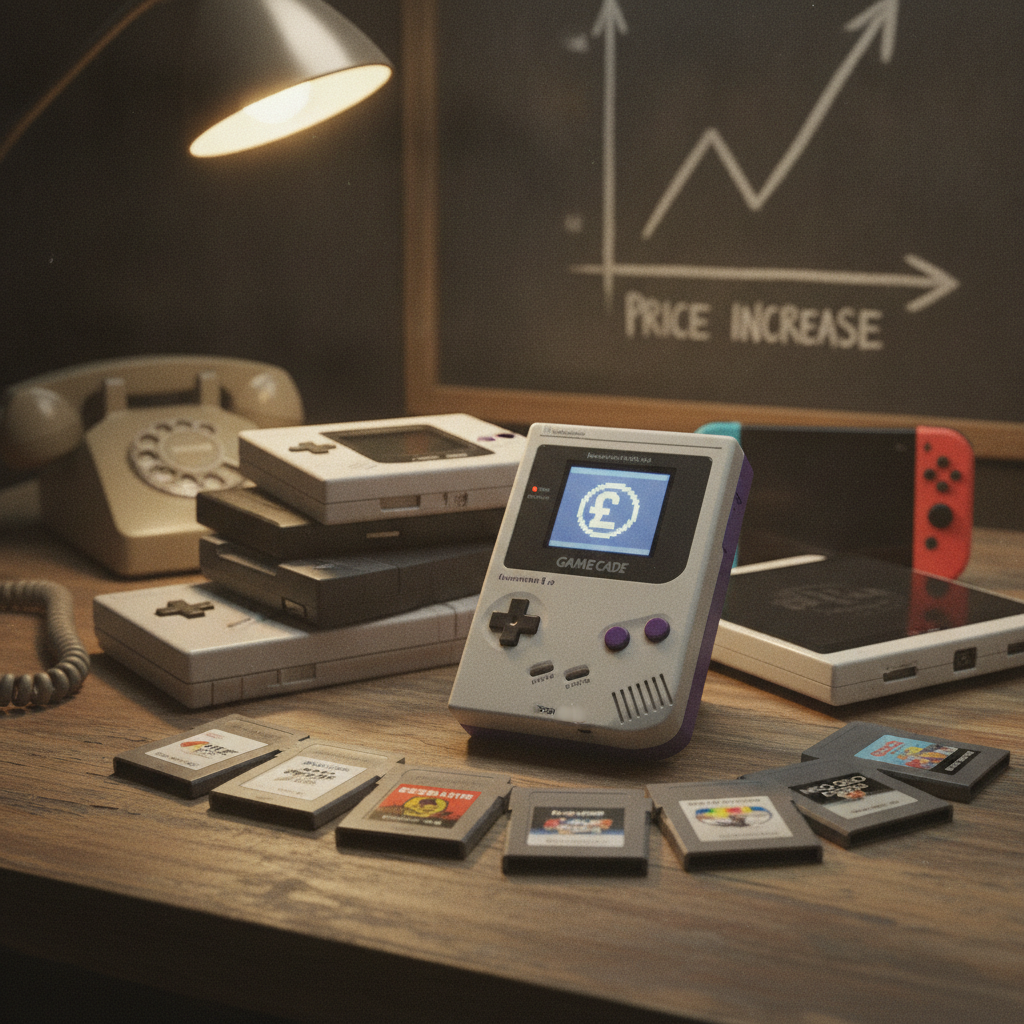
The world of retro gaming has always walked a delicate line between preserving history and embracing modern convenience. For many, physical media remains the purest form of engagement, a tangible connection to the past. Blaze Entertainment’s Evercade line has carved out a unique niche in this space, offering licensed retro collections on physical cartridges for their dedicated handhelds and home consoles. However, a recent announcement from CEO Andrew Byatt has sent ripples through the community, signaling a significant shift in the cost of entry for this beloved ecosystem. As of July 10th, 2026, both Evercade cartridges and the popular Super Pocket handhelds are set to see a notable price hike across the UK and Europe, raising questions about the future accessibility of physical retro collecting.
For our friends in the UK, the increase is quite stark. Evercade cartridges, previously retailing at a reasonable £19.99, will now command a £24.99 price tag. The highly regarded Super Pocket console, a gateway for many into the Evercade universe, will jump from £49.99 to £59.99. Similar proportional increases are expected across various European territories. While Byatt’s announcement likely provides some rationale, citing factors such as escalating manufacturing costs, global supply chain pressures, and general inflationary trends, the immediate impact on consumers is undeniable. This isn’t just a minor adjustment; it represents a substantial percentage increase that will undoubtedly make enthusiasts pause before their next purchase.
The retro gaming market, while passionate, is also inherently price-sensitive. Many collectors operate on tight budgets, carefully planning their acquisitions. A £5 increase per cartridge, while perhaps not astronomical in isolation, quickly adds up when building a substantial library. For a collector aiming for, say, ten cartridges in a year, this equates to an additional £50 — a sum that could easily fund another game or even contribute significantly towards a new piece of hardware. The Super Pocket’s £10 increase is even more impactful for new entrants, raising the barrier to entry for a system designed to be an affordable retro fix.
This development forces a broader conversation about the sustainability of niche physical media in an increasingly digital and economically volatile world. Companies like Blaze Entertainment, which go to great lengths to license, curate, and physically produce games for a dedicated audience, face legitimate financial pressures. Components become more expensive, shipping costs fluctuate wildly, and the economies of scale enjoyed by mainstream publishers are simply not there. Yet, the consumer, who ultimately bears these costs, must weigh the value proposition. Is the unique charm of a physical Evercade cartridge still worth the premium, especially as digital alternatives, often at lower price points or through subscription services, become ever more prevalent?
One could argue that these price adjustments are an inevitable consequence of doing business in the current climate, a necessary evil to keep the Evercade platform viable and continue releasing new content. However, it also highlights the fragility of this segment of the market. Will these increases alienate casual buyers, pushing them towards emulation or less expensive digital storefronts? Or will the dedicated Evercade community, known for its loyalty and appreciation for physical releases, absorb the costs, seeing it as an investment in a beloved platform?
Only time will tell how these price changes will truly shape the Evercade landscape. What is clear, however, is that the journey through nostalgia is becoming a more financially demanding one. For fans of physical media and dedicated retro systems, it’s a reminder that while the games themselves may be timeless, the cost of preserving and playing them in their intended form is very much subject to the realities of the modern economy. We await further clarification and hope that Blaze Entertainment can continue to deliver value that justifies these higher price points to its passionate user base.