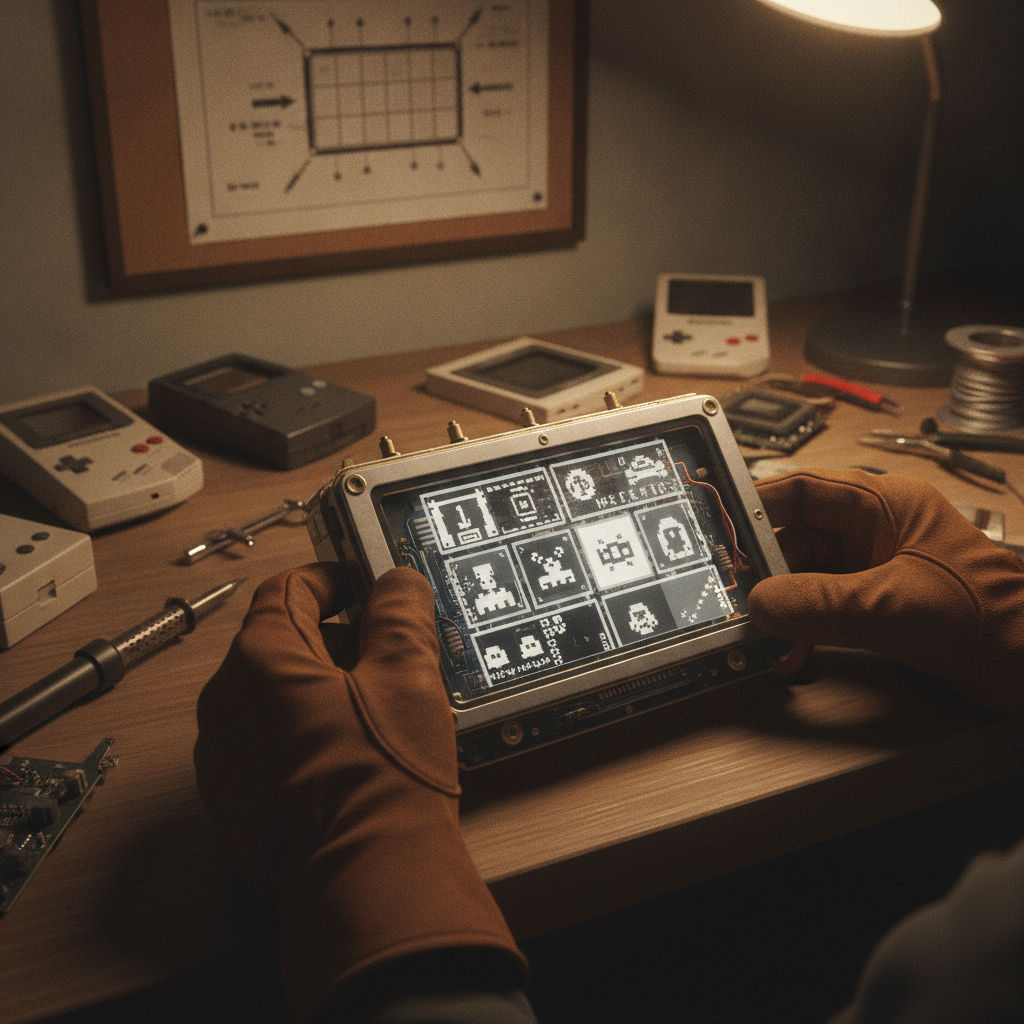
Cast your mind back a decade or so, to an era brimming with ambitious promises for the future of PC gaming. We were shown visions of streamlined living-room experiences, compact powerhouses, and innovative user interfaces that promised to blend the console’s simplicity with the PC’s versatility. Among these exciting concepts, one particular detail captivated the imagination of many tech enthusiasts: the idea of an integrated, customizable e-ink display.
This wasn’t just any screen; it was a low-power, dynamic faceplate designed to show critical information, personalized artwork, or system stats without draining much power or distracting from the main event on your TV. The potential felt immense – imagine glancing at your console to see who’s online, current game updates, or even just a cool, retro-inspired pixel art animation, all tailored to your preference. It was a tantalizing glimpse into a future where our gaming hardware wasn’t just a black box, but a canvas for personal expression.
However, as is often the case with groundbreaking concepts, the practicalities of mass production and market positioning eventually took precedence. The initial grand visions for these devices, particularly those aspiring to disrupt the traditional console space, faced significant hurdles. High price points, rapidly evolving hardware, and a fragmented software ecosystem meant that some of the more innovative, niche features – like that exquisite e-ink screen – became less of a focus, if not outright abandoned in the broader commercial push. The dream of that elegant, always-on display faded, becoming another interesting footnote in the annals of gaming hardware history.
Fast forward to today, and something rather remarkable is happening. The very same company that once teased us with this vision is now approaching it from an entirely different, and arguably more exciting, angle. Instead of a pre-packaged, proprietary solution, they are embracing the spirit of open-source and community empowerment. The message is clear: “If you want that e-ink screen, we’ll help you build it yourself.”
This shift is more than just a change in business model; it’s a profound nod to the burgeoning DIY and modding communities that have always been the lifeblood of PC gaming. By providing resources, specifications, and perhaps even open-source schematics, this approach transforms what was once a premium, potentially expensive add-on into an accessible project for anyone with a soldering iron and a thirst for customization. It democratizes innovation, allowing hobbyists, makers, and tinkerers to bring a long-dormant concept to life on their own terms.
The implications are far-reaching. Imagine a world where your gaming machine isn’t just off-the-shelf, but a truly personalized extension of your identity. You could design custom interfaces, integrate unique informational displays, or even build bespoke accessories that interact directly with the e-ink panel. This fosters a level of creativity and engagement that a closed ecosystem simply cannot match. It invites experimentation, encourages learning, and builds a stronger, more collaborative community around hardware development.
This move also speaks volumes about the evolving philosophy of hardware companies. Recognizing the power of community-driven development is a smart play, not just for goodwill, but for fostering genuine innovation that might otherwise be overlooked in traditional R&D cycles. By providing the groundwork and stepping back, they enable a thousand flowers to bloom, each potentially leading to unforeseen applications and improvements.
Ultimately, the re-emergence of the e-ink dream, this time through a DIY lens, is a powerful reminder that some of the best ideas never truly die. They merely wait for the right catalyst – in this case, a company willing to trust its community – to be reborn. It’s an exciting prospect for anyone who cherishes the blend of cutting-edge technology and hands-on creation, proving that sometimes, the most sophisticated solutions come from empowering the individual to build their own future. This could very well be the renaissance of truly personal computing, one custom e-ink panel at a time.