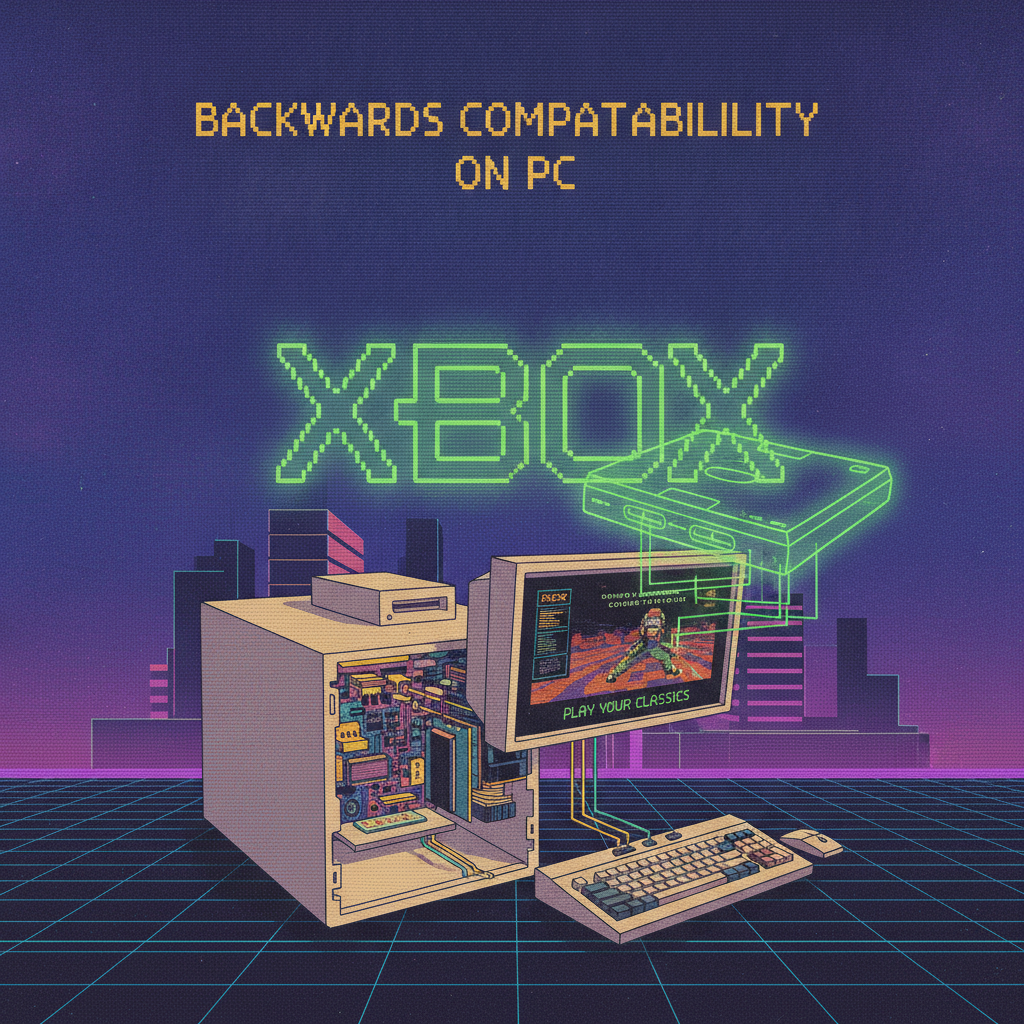
The past year has been nothing short of a tumultuous ride for Xbox. From significant layoffs impacting multiple studios to the divestment of development teams and the sometimes-unpopular decisions regarding console price adjustments and discontinuations, it’s felt like the news cycle has consistently delivered unsettling headlines for the green brand. Every month brought fresh speculation and concern from the gaming community. However, amidst this period of recalibration and uncertainty, a potentially game-changing announcement has surfaced, signaling a bold new direction: the expansion of Xbox’s vaunted backwards compatibility features to the PC platform.
This isn’t merely a small update; it represents a profound strategic pivot that could reshape how we perceive Xbox’s ecosystem and its place in the broader gaming landscape. For years, backwards compatibility has been a cornerstone feature on Xbox consoles, allowing players to revisit titles from previous generations without needing their old hardware. It’s a commitment to gaming preservation and player value that has been widely lauded. Now, extending this functionality to PC opens up a whole new realm of possibilities and raises fascinating questions about the future of platform exclusivity and digital ownership.
Imagine a PC gamer, perhaps someone who missed out on classic Xbox 360 or even original Xbox titles, now gaining official access to these cherished games directly on their preferred platform. This isn’t about merely streaming games (which Xbox already offers via Game Pass Ultimate); it’s about a more integrated, potentially native, experience for a library that was once confined to console hardware. While the exact technical implementation remains to be fully detailed – whether it involves advanced emulation layered into the Xbox app, direct ports, or a more sophisticated streaming architecture for specific titles – the intent is clear: to broaden the reach and accessibility of Xbox’s historical game catalog.
For many, this move signifies a genuine commitment to the preservation of gaming history. Older titles often become inaccessible as hardware ages and operating systems evolve. By bringing them to the ubiquitous PC platform, Xbox ensures that a vast library of games remains playable for future generations, irrespective of whether they own a current Xbox console. This democratizes access and celebrates the rich heritage of interactive entertainment.
From a business perspective, this could be a shrewd maneuver to attract more users into the Xbox ecosystem, even if they aren’t console owners. By making exclusive (or formerly exclusive) console titles available on PC in a more structured and officially supported way, Xbox could drive subscriptions to services like Game Pass, where these titles might be bundled, or encourage direct purchases from the Microsoft Store. It’s about cultivating a larger audience and fostering brand loyalty across platforms, rather than strictly competing within the console space.
This initiative also aligns with a growing trend in the industry where traditional console boundaries are blurring. Sony has been gradually bringing its PlayStation exclusives to PC, albeit often years after their initial console release. Nintendo utilizes its online services for access to retro titles. Xbox, however, has consistently led the charge in day-and-date PC releases for its first-party titles, and this backwards compatibility expansion feels like a natural, albeit significant, evolution of that strategy. It solidifies Xbox’s position as a service-first, platform-agnostic gaming entity, prioritizing where and how players access their games over the specific hardware they use.
Of course, challenges remain. The technical hurdles of ensuring smooth and stable performance for a diverse range of older titles on varied PC hardware configurations are not insignificant. Furthermore, the question of how this will integrate with existing digital rights management and player accounts will be crucial. But if executed well, this could be a monumental win for gamers and a definitive statement from Xbox about its future direction. It suggests a future where the “Xbox experience” isn’t confined to a specific box under your TV, but rather a robust, accessible, and historically rich gaming platform available wherever you choose to play. This bold move might just be the positive headline Xbox needed, signaling a renewed focus on players and accessibility that could redefine its legacy.