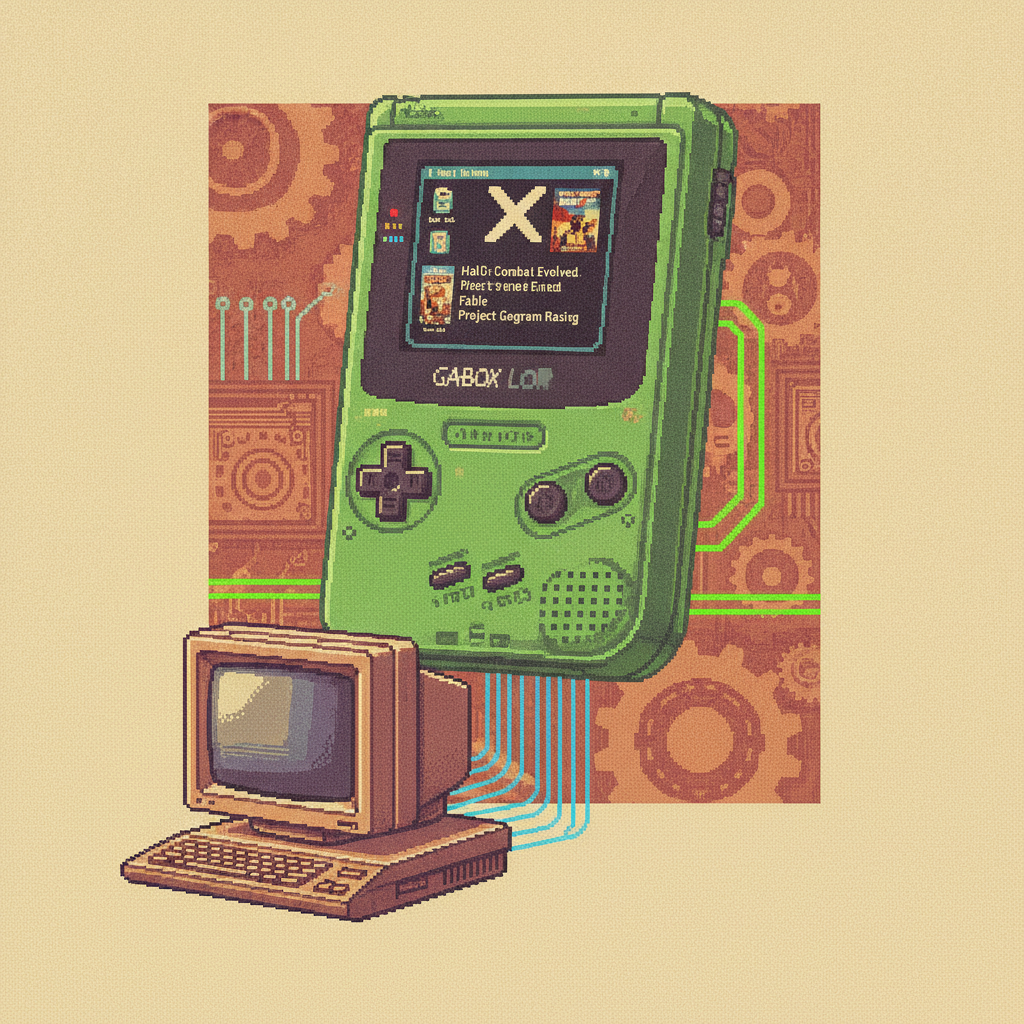
This year has been nothing short of a roller coaster for Xbox enthusiasts. We’ve seen a flurry of announcements, from strategic studio realignments and significant workforce reductions to adjustments in console pricing and the discontinuation of certain hardware. It’s felt like every month has brought a seismic shift from Redmond, leaving many wondering about the long-term vision for the iconic gaming brand. Just when we thought we had a grasp on the evolving landscape, Xbox has unveiled a truly unexpected and potentially revolutionary development: the official introduction of backwards compatibility for PC.
For years, the concept of playing your cherished Xbox 360 or even original Xbox titles directly on your Windows PC without the need for unofficial emulators has been a pipe dream for many. PC gamers, known for their love of choice and customization, have often looked enviously at console players who could seamlessly access generations of games on their latest hardware. Now, it appears that dream is on the verge of becoming a reality, signaling a significant pivot in Xbox’s strategy and a massive win for game preservation and accessibility.
A New Horizon for Legacy Titles
The details are still emerging, but the core promise is clear: a dedicated, officially supported pathway to enjoy a curated selection of Xbox’s extensive back catalogue directly on your personal computer. This isn’t just about streaming a game from the cloud; it implies a deeper integration, potentially allowing for local installation and performance enhancements that only a powerful PC can offer. Imagine revisiting classics like Halo 3, Fable II, or even hidden gems from the original Xbox era, but with the crisp visuals and smooth frame rates that modern PCs can deliver, perhaps even with community-driven mods. The possibilities for breathed new life into beloved experiences are truly exciting.
This move comes at a crucial time for the gaming industry. As digital storefronts become the primary method of game distribution, the question of long-term game preservation often arises. When older consoles inevitably become obsolete or difficult to maintain, how do we ensure that the games developed for them remain playable for future generations? By officially bringing backwards compatibility to the robust and ever-evolving PC platform, Xbox is not only expanding its ecosystem but also contributing significantly to the cultural archiving of video games. It opens up these titles to a much wider audience, preventing them from being lost to time.
Implications for the Gaming Ecosystem
What does this mean for the competitive landscape? Sony, with its PlayStation platform, has dabbled in PC ports of modern titles, but hasn’t yet made a similar leap into widespread, official console backwards compatibility on PC. Nintendo relies heavily on its unique hardware and intellectual property, with official emulation on PC largely confined to virtual console offerings on its own platforms. Xbox’s bold move could force other industry giants to rethink their approach to legacy content, especially as cloud gaming continues to blur the lines between hardware.
Furthermore, this could profoundly impact the value proposition of services like Xbox Game Pass. If a significant portion of Xbox’s legacy library becomes accessible on PC, it could entice a new wave of subscribers who previously felt constrained by console exclusivity. For existing Game Pass Ultimate members, it adds another layer of value, transforming their subscription into an even more comprehensive gateway to gaming history.
Of course, challenges remain. The technical implementation of such a system is complex, and ensuring a smooth, consistent experience across the myriad of PC configurations will be a monumental task. Licensing agreements for older titles, especially those with third-party developers, will also need careful navigation. However, if Xbox can deliver on this promise, it could cement its position as a leader in player-centric initiatives, building bridges between console and PC gaming communities.
This announcement isn’t just about bringing old games to a new platform; it’s about a philosophical shift. It’s about recognizing the enduring appeal of classic titles and empowering players to experience them on their preferred hardware. As Xbox navigates this period of transformation, this commitment to legacy content on PC could very well define its future trajectory and reshape how we think about gaming heritage for years to come. We at Retpad.com will be watching closely as more details emerge and will provide updates as this exciting new chapter unfolds.