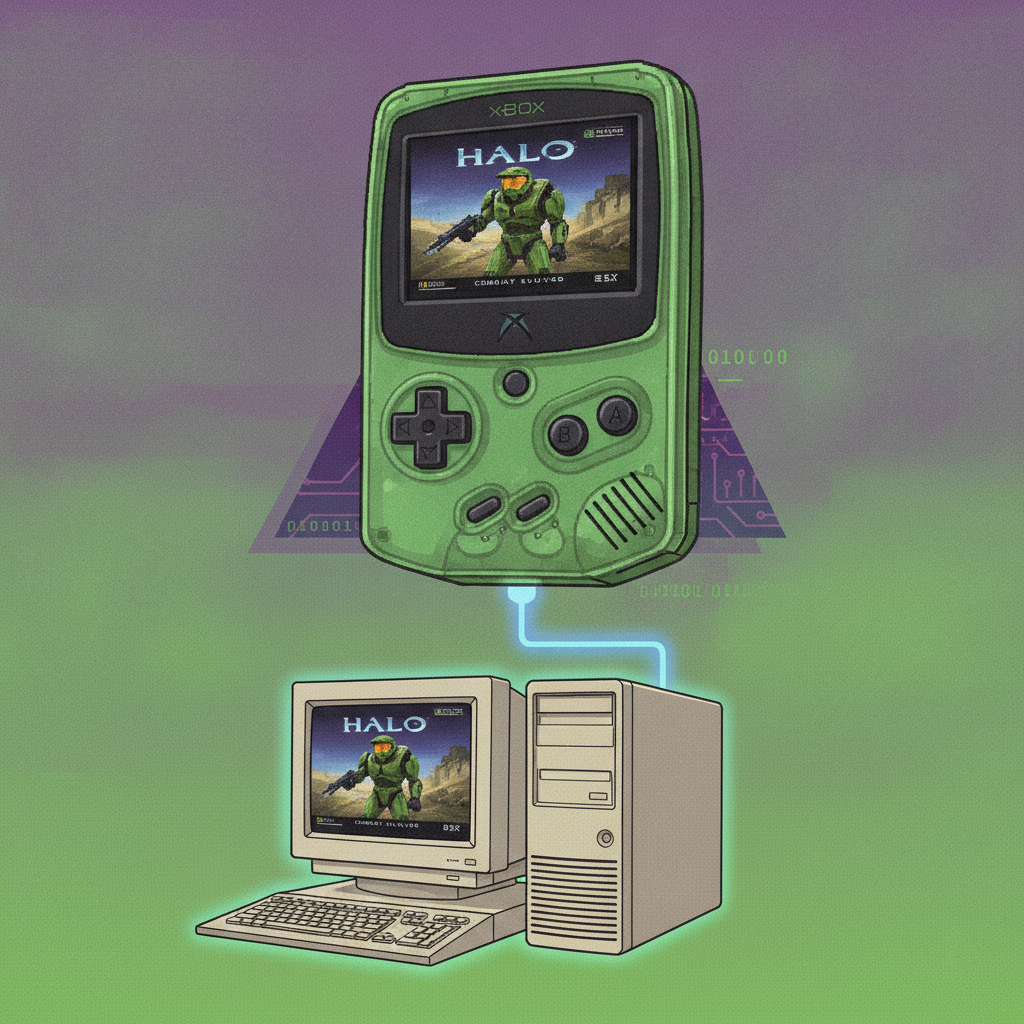
The gaming world has been a whirlwind of headlines for Xbox this past year. From significant restructuring and studio divestitures to recalibrating console pricing and addressing hardware discontinuations, it has felt like scarcely a month has passed without a major announcement from the Redmond giant. These periods of intense change often herald deeper strategic shifts, and Xbox’s latest reveal — extending its acclaimed backward compatibility initiatives to the PC platform — appears to be exactly that: a pivotal moment designed to redefine its ecosystem.
For years, backward compatibility has been a cornerstone of the Xbox console experience, a feature lauded by fans and often cited as a key differentiator. While other console manufacturers occasionally offered glimpses of this functionality, Xbox consistently invested in making generations of games playable on newer hardware. This commitment wasn’t just about nostalgia; it was about game preservation, value for consumers’ existing libraries, and offering a seamless transition for players through console generations. The ability to pop in an Xbox 360 disc into an Xbox Series X and have it just work, often with enhancements, has been a testament to this dedication.
Now, this philosophy is making a monumental leap to the personal computer. The implications for PC gamers are immense. Suddenly, a vast library of classic Xbox titles, previously locked to console hardware or requiring complex emulation setups, could become officially accessible on a platform renowned for its openness and versatility. This isn’t just about playing old games; it’s about official support, potential optimizations, and the legitimization of playing console heritage on a desktop or laptop. Think of the titles from the original Xbox, the Xbox 360, and even early Xbox One exclusives that might find a new lease on life, reaching an audience that perhaps never owned those specific consoles.
This strategic pivot aligns seamlessly with Microsoft’s broader gaming vision. With the PC Game Pass already establishing a robust presence and cloud gaming pushing the boundaries of accessibility, integrating classic console titles directly into the PC ecosystem closes another loop. It strengthens the argument for an ‘Xbox’ experience that transcends a single piece of hardware, solidifying it as a service-agnostic brand accessible wherever Microsoft’s gaming presence exists. It’s a move that recognizes the evolving landscape of how and where people play games, leveraging the strengths of each platform to create a more cohesive and comprehensive offering.
Of course, the implementation will be key. Will it involve a dedicated application, integration into the existing Xbox app on PC, or even a more radical approach? The technical challenges of emulating diverse console architectures on the highly varied PC hardware landscape are significant. However, given Xbox’s track record with console backward compatibility, there’s reason to be optimistic about their ability to deliver a robust solution. This isn’t just about bringing old code to a new machine; it’s about ensuring a quality experience that respects the original games while harnessing the power of modern PC hardware.
Ultimately, this development signals a fascinating future for Xbox and PC gaming alike. It reinforces the idea that Microsoft views its gaming division less as a console manufacturer and more as a comprehensive ecosystem provider. By breaking down barriers between console generations and now across platforms, Xbox is not just preserving its past; it’s actively shaping a more inclusive and expansive future for its players. For those of us who appreciate gaming history and the sheer joy of revisiting beloved classics, the prospect of officially sanctioned Xbox backward compatibility on PC is incredibly exciting, promising a richer, more accessible library for years to come.